Agent Skills: Teaching AI Agents Your Team's Way of Working
The written version of the Momentum talk — what a skill is, how it loads, and where skills break.
Read → Vitaliy Matiyash
Ten years in regulated financial systems. I've built the monitoring other teams copied, the shared libraries other domains adopted, and the standards a scrum team now codes against — including the ones for agentic AI.




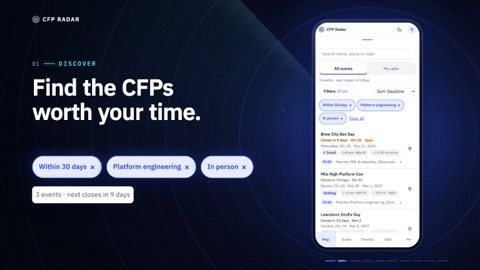
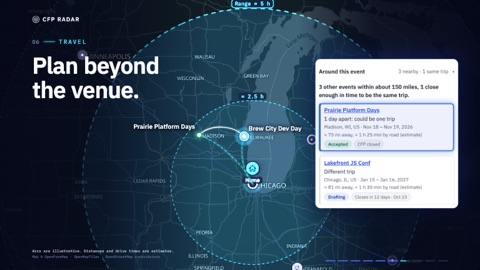
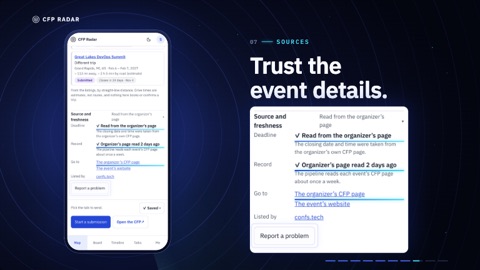
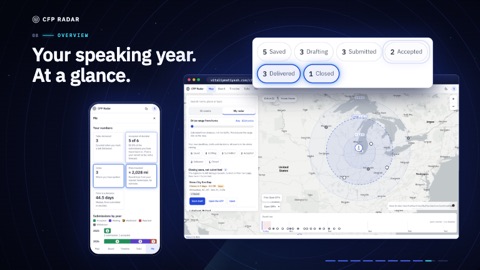
I'm building a web app for conference speakers: one place to find calls for papers and keep track of what you sent where.
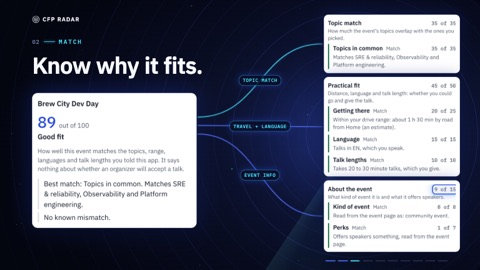
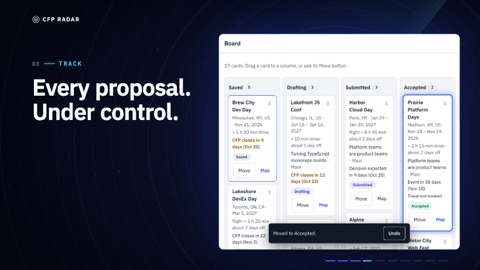
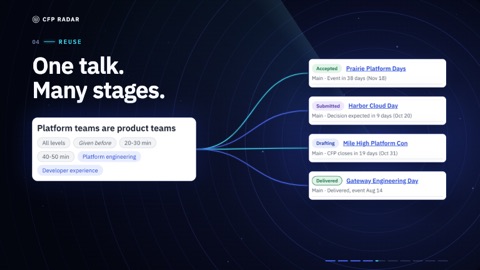
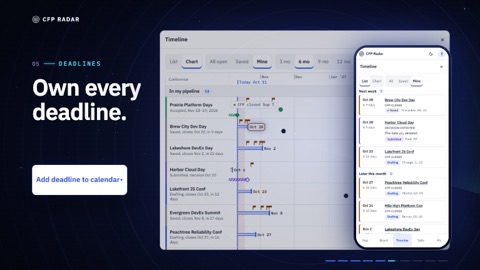
It puts open calls on a map, explains why an event fits the talks you give, follows each proposal from draft to decision, and keeps every deadline on one timeline.
It is still in progress. The map and the list of open calls are public today.
Led the migration of core customer-facing applications to Azure, containerized on Kubernetes and Docker, and moved the Account API onto Azure Kubernetes Service for scale and resilience.
Then built the monitoring that wasn't there — dashboards and alerts for the most critical services, the standards behind them, and coaching for lead engineers in other domains so they could do the same. One tuning pass took a chatty service from roughly 8,000 calls in a ten-minute window to under 500.
Designed and delivered the REST APIs and self-service features behind customer-facing journeys — more people finishing the task themselves, fewer of them calling to finish it.
The largest was a consent API built from the ground up as tech lead. It introduced Kafka to the team's ecosystem for event-driven processing and OAuth2 for a secure partner integration. It now ships in daylight, with a documented rollback plan and validation passing every time.
Led the Platform Enablement / Developer Experience team: built the roadmap and backlog for Kafka and the internal developer portal, drove a shared library to adoption by another domain, and integrated it with the profile API. Reported team progress to leadership and cleared the blockers.
Mentored five junior engineers and coached the scrum team on Java best practices and code quality. Interviewed engineering candidates across the US and India.
On-call rotation across incident, problem and change queues inside SLA, and a member of the quick-response team for production incidents. When other teams need to know how an API behaves or where a dependency really lives, the question comes to me.
Lightning Talks on OAuth2 and on agentic coding workflows with the Copilot CLI. Led a team through the company-wide hackathon, which placed for technical implementation.
Code production stopped being the bottleneck. Requirement quality, constraints and standards became one.
I hold a stretch assignment as Engineering Product Lead for agentic AI alongside the staff engineering work: deciding which backlog items are AI-ready and which need a human, setting the minimum a ticket must carry before an agent acts on it, marking the work an agent should never touch, and rewriting the Definition of Done around unit tests, NFRs, documentation and API contracts.
The same instinct as the monitoring work, one layer up: write the standard once, and everyone's output gets better. It also feeds the talks — the skills-library architecture, the KQL assistant, the runbook agent are all this work, generalized.
---
name: momentum-2026-skills-library
description: Teach AI agents your org's tribal knowledge. Use when your coding assistant writes fine code and still gets your team's process wrong.
---

## Use When
- You're at Momentum Dev Con in Cincinnati on Thu Oct 15, 2026

## Preconditions
- A conference badge

## Steps
1. Find Ballroom E by 12:30 PM
2. Stay for three demos: Jira, ticket to PR, production support
3. Leave with a template for your own team's skills

## If a Failure Happens
- Can't make it: the slides go up on this page after the talk- Missed it: the slides are up
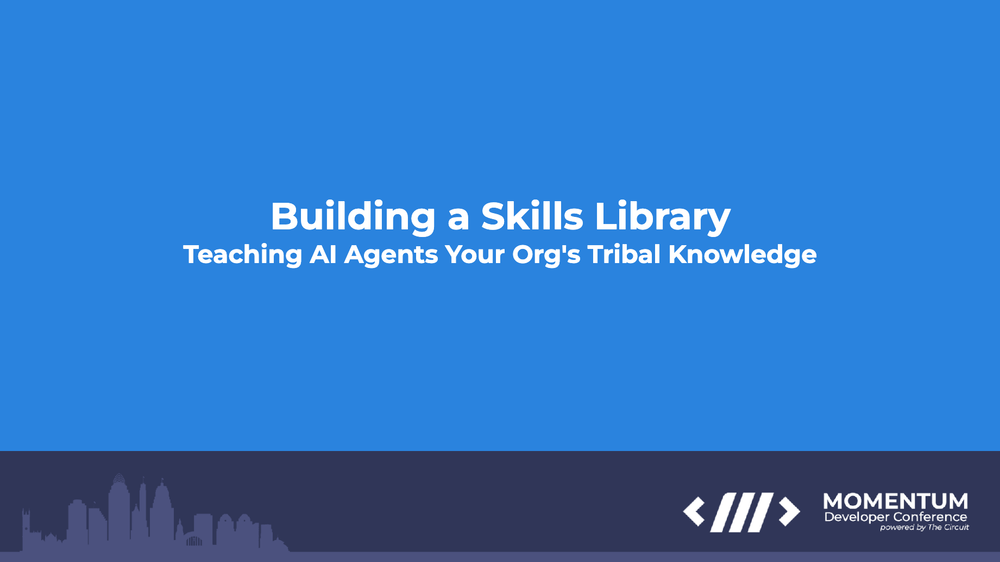
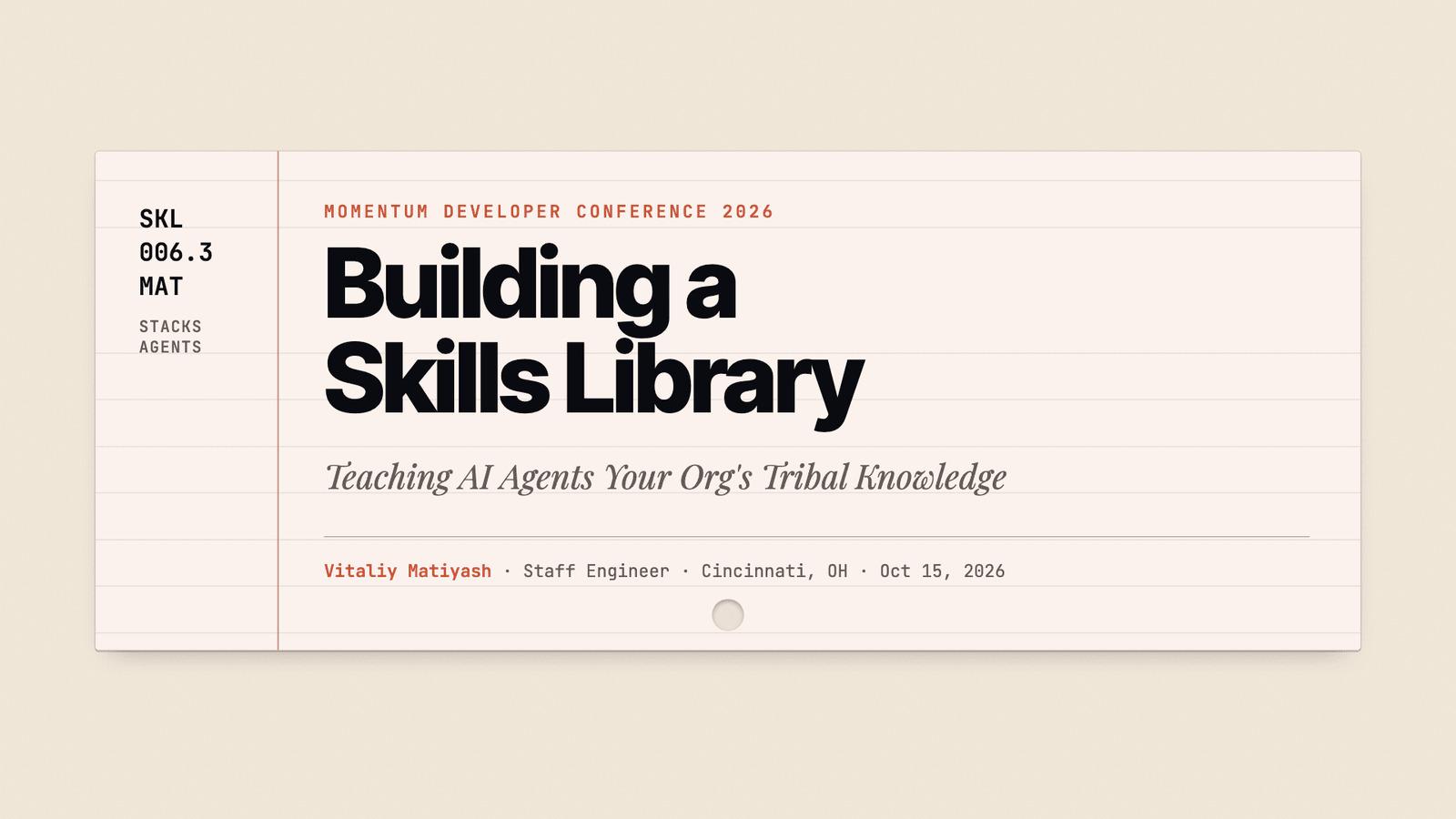
Teaching AI agents your org's tribal knowledge. The SKILL.md format, how skills compose into scoped agents, and three demos: a Jira CLI skill, a ticket-to-PR workflow and production support.
Oct 15 · 12:30 PM · Ballroom E
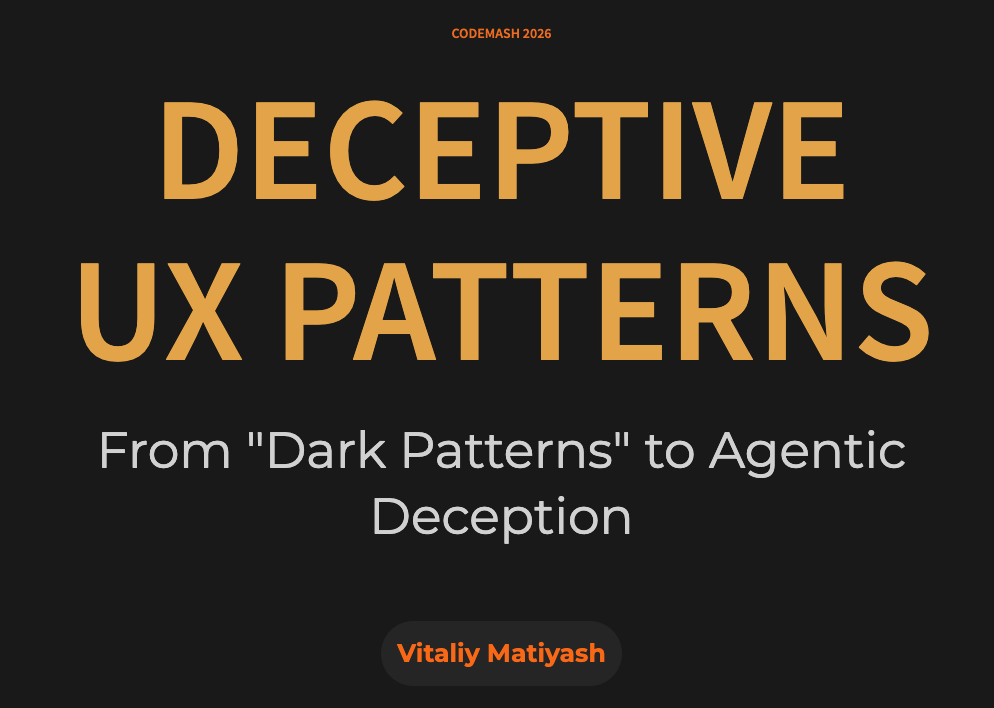
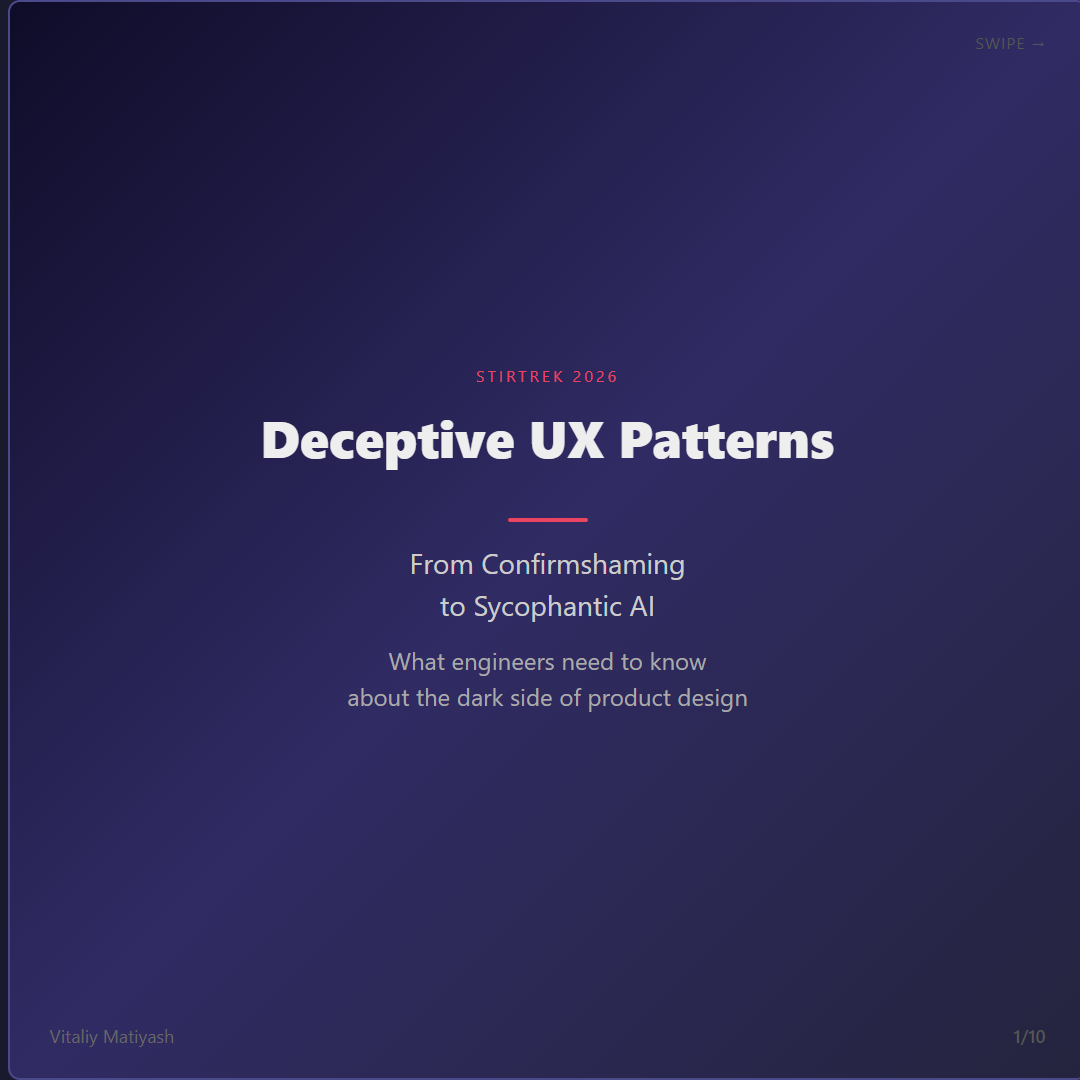
Roach Motel. Privacy Zuckering. Confirmshaming. The manipulative patterns your product may already ship — and what to build instead.
Happening at KCDC 2026
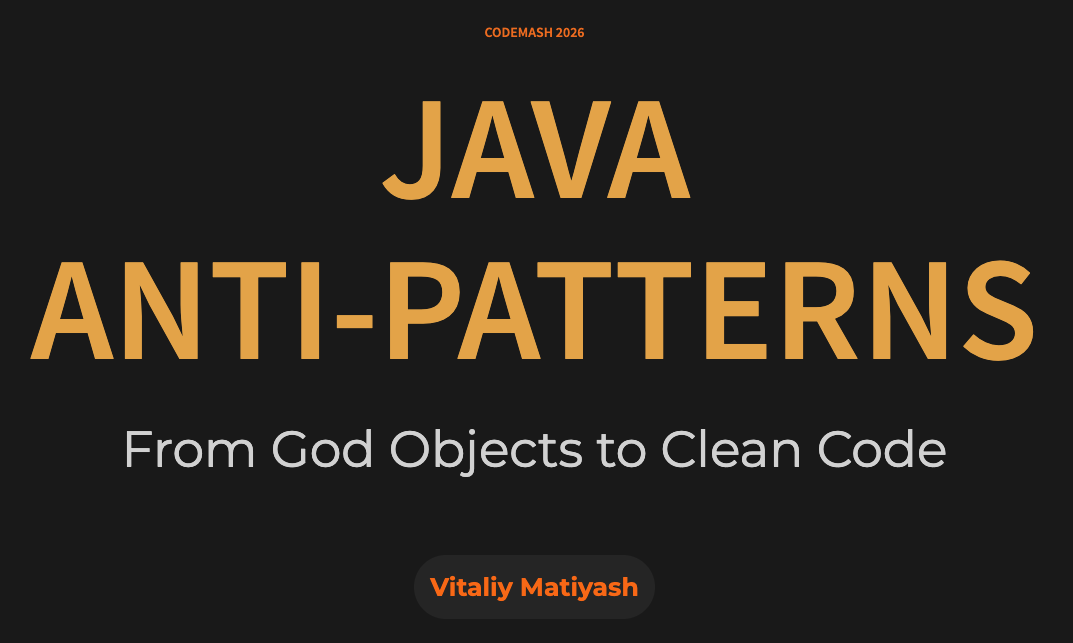
The idioms that pass code review and fail in production, pulled from a decade of migrations in financial services.
The written version of the Momentum talk — what a skill is, how it loads, and where skills break.
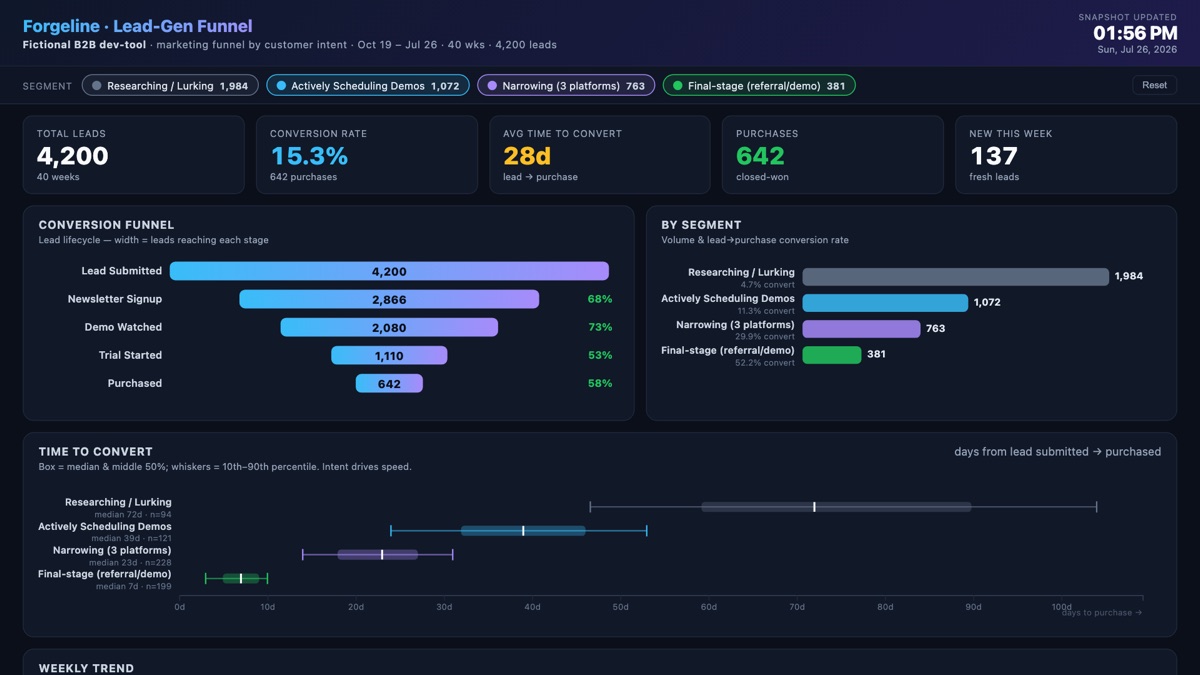
Read →Seeded synthetic data, intent segments, D3 panels — and the prompts that build it step by step.
Read →The written companion to the talk — classic roach motels through AI-washed manipulation.
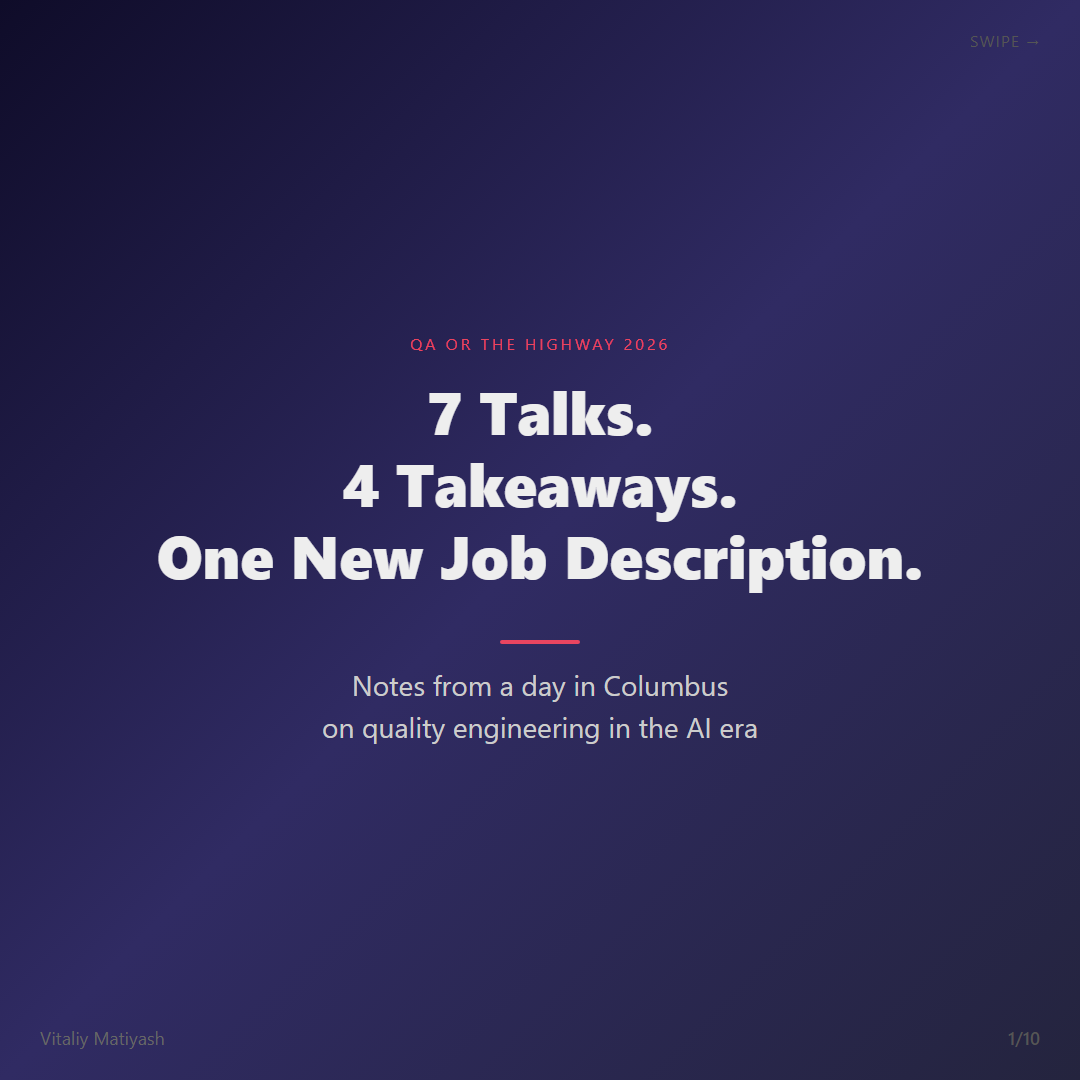
Read →Seven talks. Four takeaways. One emerging job description.
Read →Technical leadership and infrastructure management for a cultural nonprofit — WordPress ecosystems, G-Suite administration, and payment gateway infrastructure, kept running by one person alongside a full-time job.
| Staff Software Engineer | Bread Financial |
|---|---|
| Senior Application Developer | Bread Financial |
| Software Engineer Consultant | JPMorgan Chase & Co. |
| Full Stack Software Engineer | Verizon Wireless |
| BA, Computer Science | Hunter College, CUNY |
Email is the fastest way to reach me — I reply inside a day.