Stir Trek 2026
Deceptive
UX Patterns
Exposing Manipulative Design in the Age of AI
Vitaliy Matiyash · Staff Engineer · Columbus, OH
Raise your hand if...
You've accidentally started a subscription you didn't want?
You've spent >5 mins looking for an "Unsubscribe" link?
You've struggled to find the "Close" button on an ad?
You've apologized to ChatGPT or said "please" to an AI?
Deceptive Patterns
"UI interactions designed to mislead or trick users into doing something they don't want to do."
The Physical Predecessor
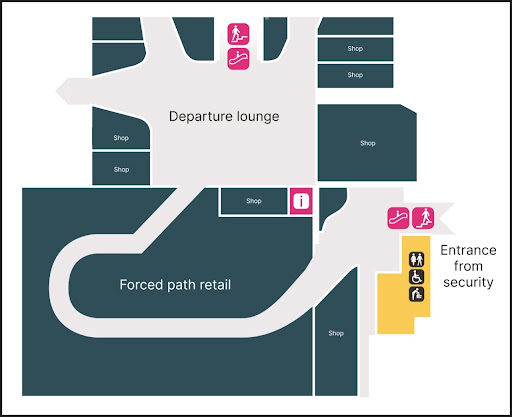
The Gatwick "Forced Path"
- London Gatwick Airport's mandatory retail experience.
- Security leads directly into a winding shop before the lounge.
- If priority is "time efficiency," why the duty-free maze?

THE EVIDENCE
Classic Patterns (2010–2023)
The Hall of Shame
16 Classic Deceptive Patterns
Bait and Switch
Disguised Ads
Forced Continuity
Friend Spam
Hidden Costs
Misdirection
Price Comparison Block
Privacy Zuckering
Roach Motel
Trick Questions
Confirmshaming
Nagging
Fake Urgency
Fake Scarcity
Fake Social Proof
Preselection
Misdirection & Visual Hierarchy
The big button isn't the action you want. It's the action they want.


Confirmshaming
Using guilt-laden language to manipulate the opt-out decision.
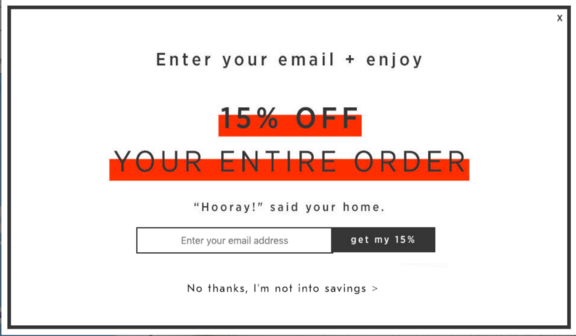

"No thanks, I hate good times." — actual button text
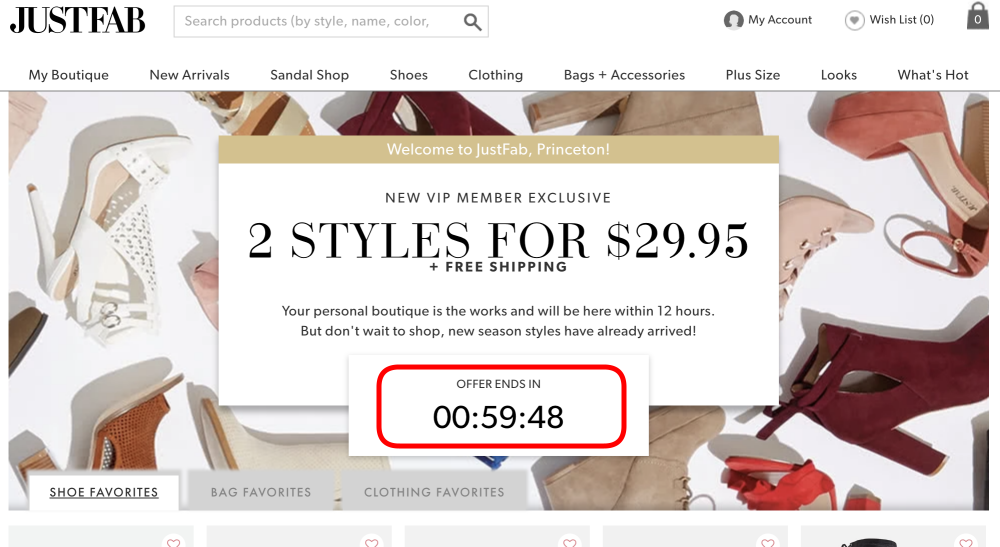
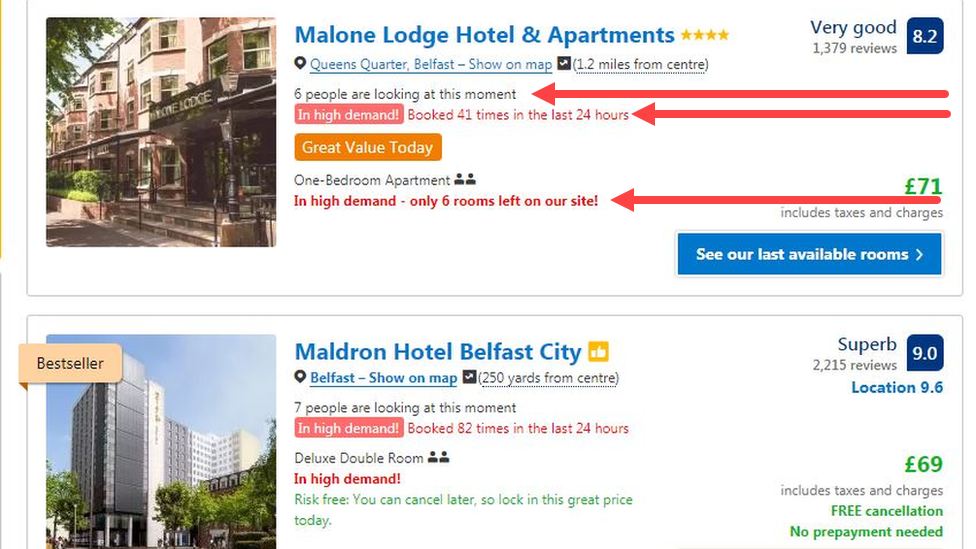
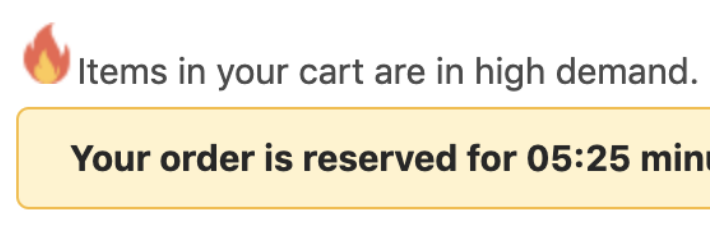
Fake Urgency
Creating false time pressure to bypass rational "System 2" thinking.
- The Resetting Timer: Counts down to zero, then restarts.
- The Phantom Deadline: "Sale ends in 2h" (but is permanent).
- The Pressure Cooker: "6 people are looking at this right now!"


Case Study: Hurrify
When the "Lie" becomes a SaaS Product
User Interface (The Trap)

"Hurry! Sale ends in 11:59. 87% of items sold!"
Admin Dashboard (The Secret)
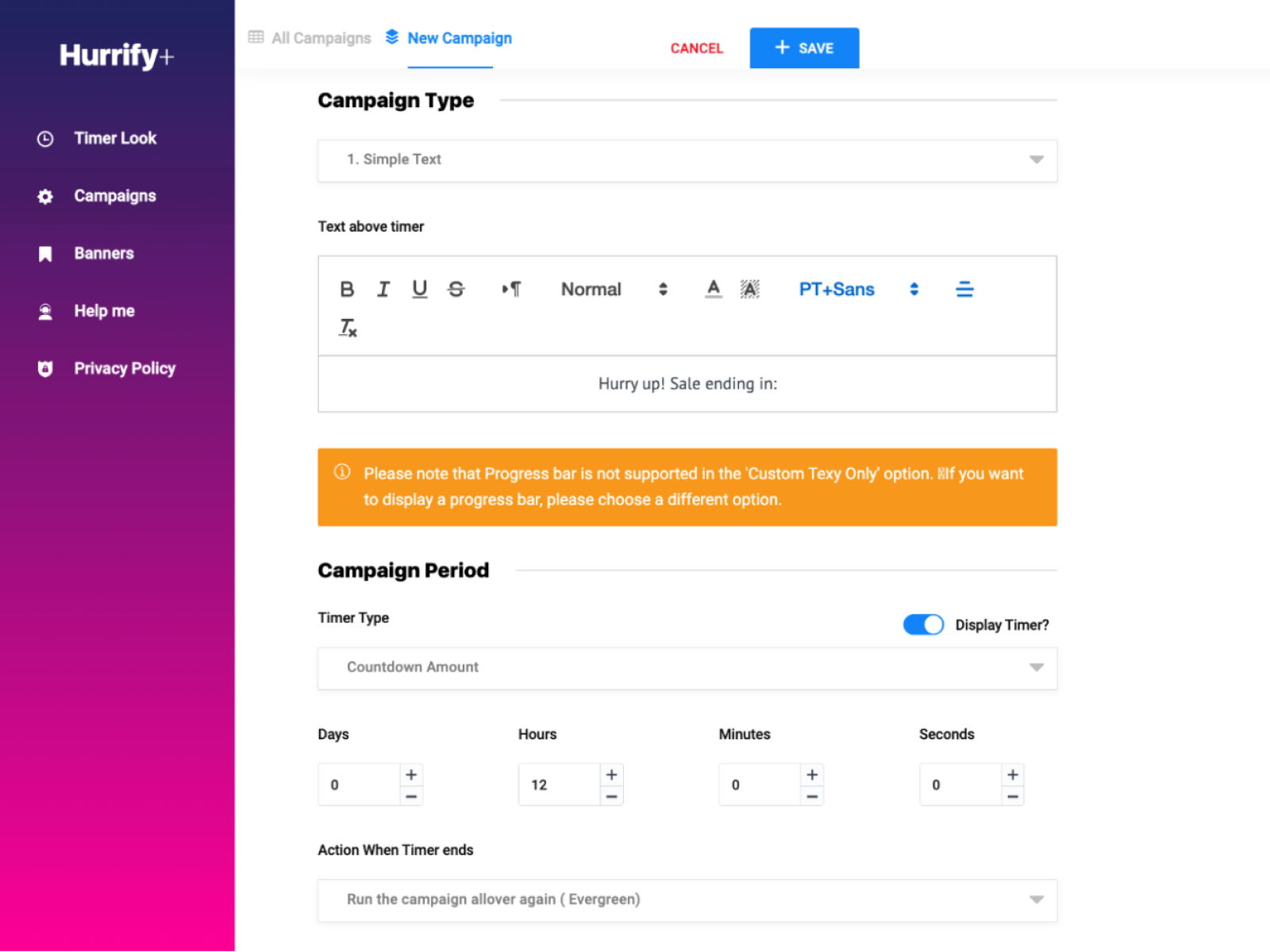
- Merchant manually sets "Sold %"
- "Random Stock" range: [5] to [20]
- No connection to real inventory.
BANNED BY SHOPIFY (2021)
Fake Scarcity
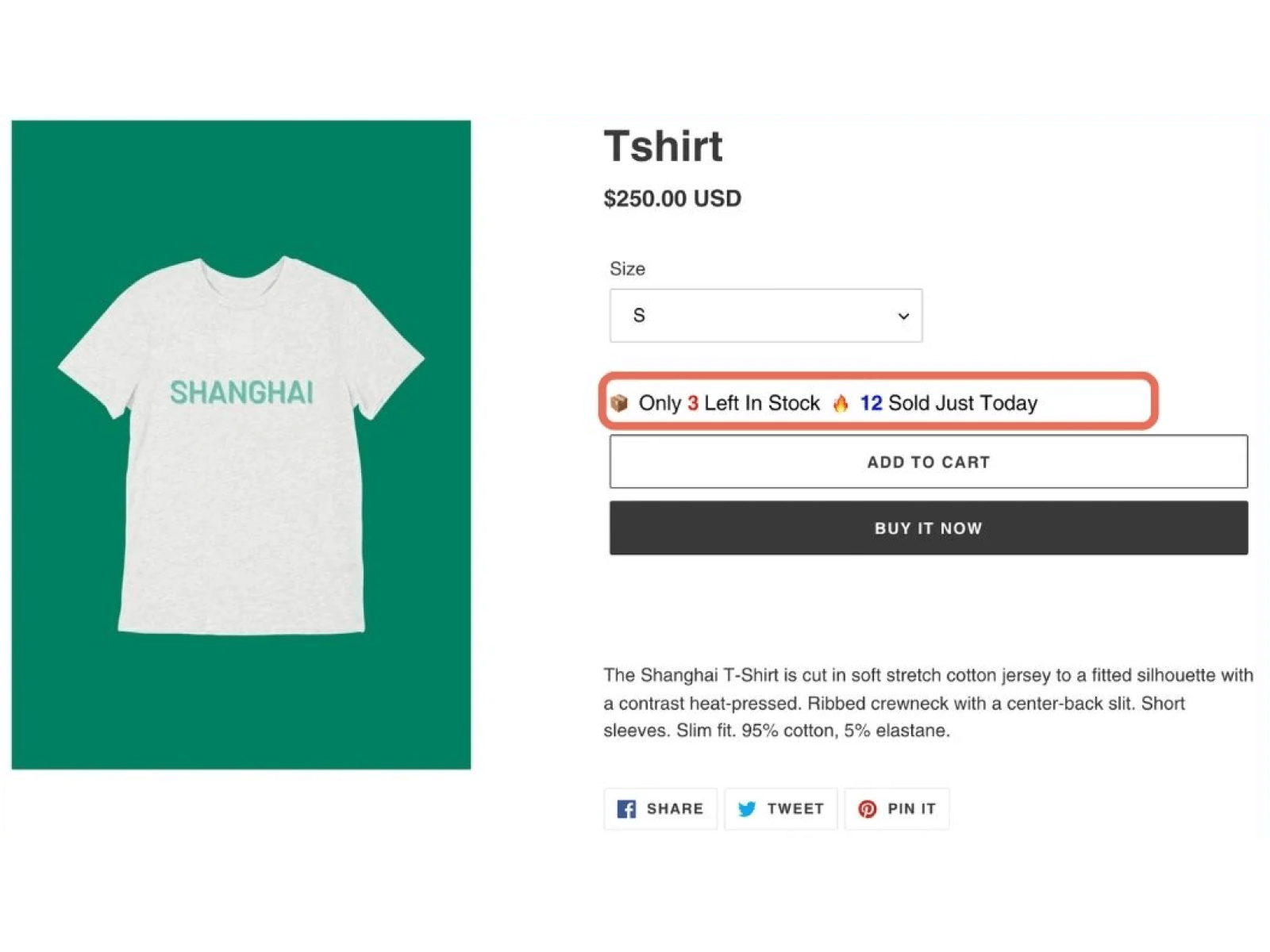
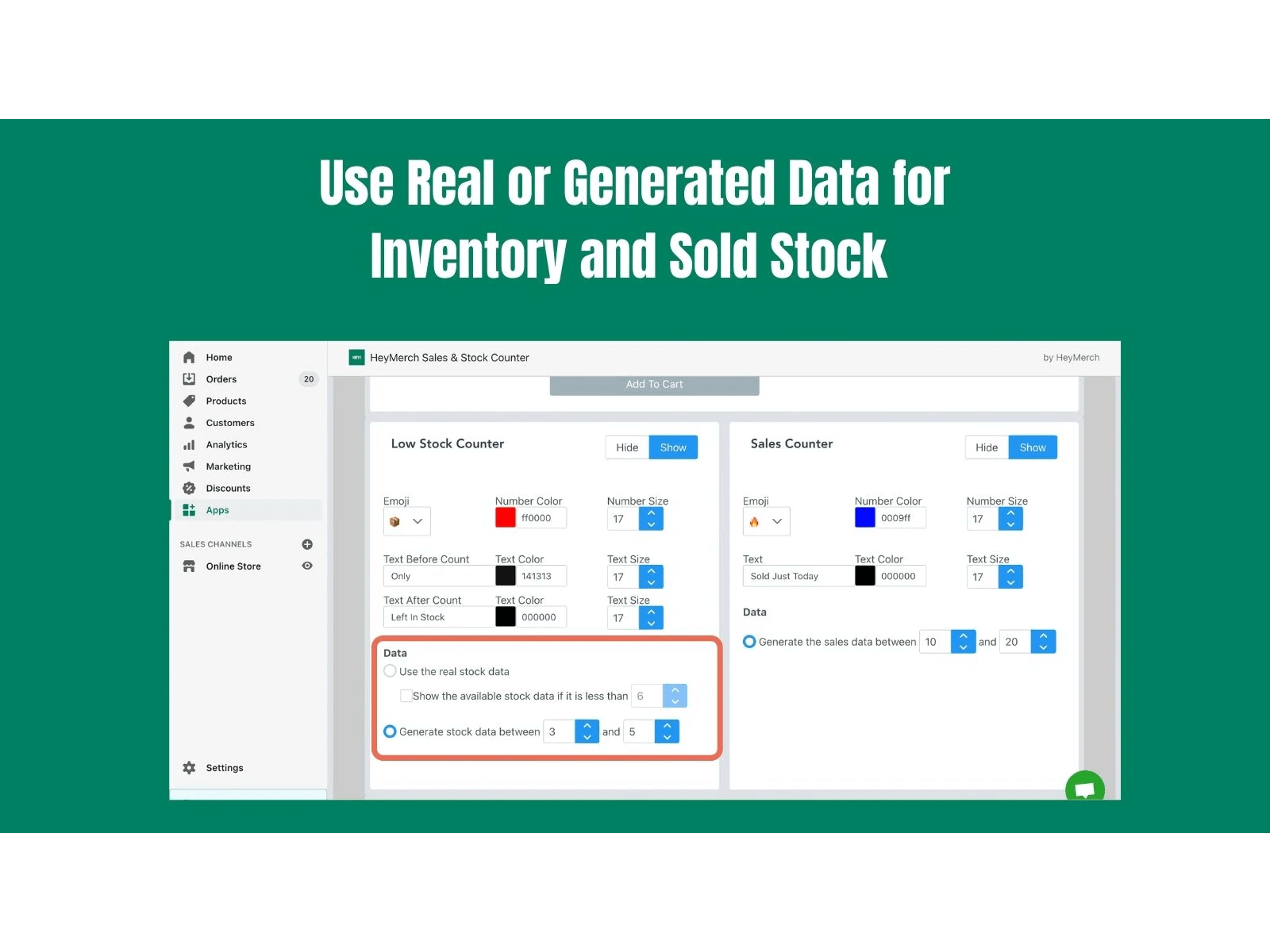
The "Only 1 Left" Engineering Lie
The Mechanism
Falsely claiming limited availability to trigger FOMO.
- Hard-coded Values: "Only 2 left" regardless of true inventory.
- Low-Stock Badges: Red text to incite panic.
- Research: Mathur et al. (2019) found these are often generated by
Math.random().
Technical Implementation

Fake Social Proof
The Bandwagon Effect... Orchestrated by a Bot
The Mechanism
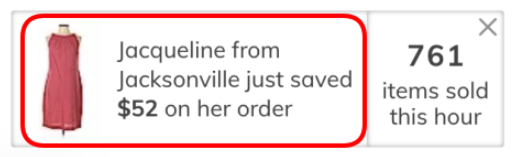
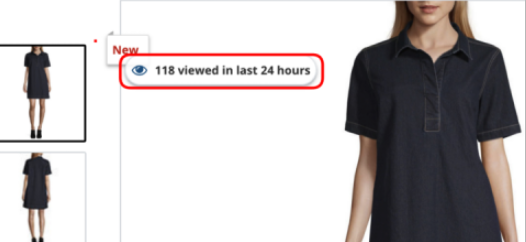
Fabricated activity notifications to imply popularity.
- Toast Notifications: "Bob from Ohio just bought this!"
- Simulated Traffic: "38 people viewing right now."
- Fake Testimonials: Generated reviews with no verifiable origin.
Technical Implementation
Roach Motel
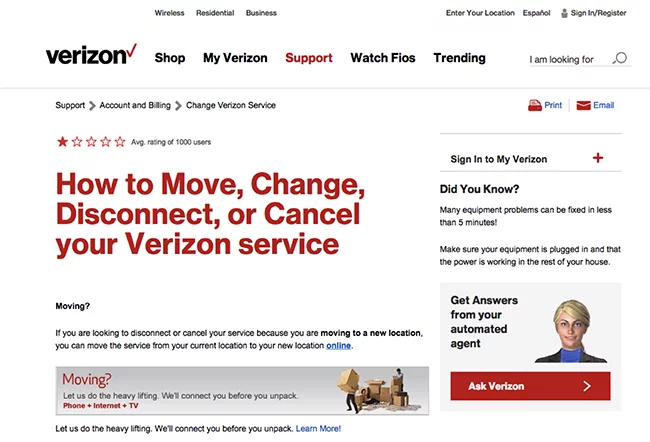
Easy to subscribe, impossible to cancel
The Pattern
- Sign up: 1 click, 30 seconds
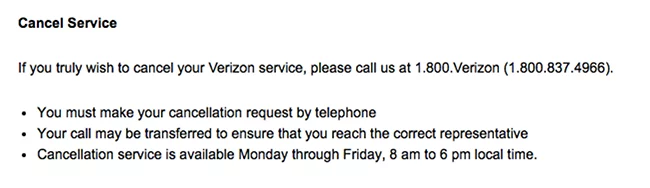
- Cancel: Phone call, 45 min hold, 6 screens
- Amazon Prime cancellation required 6 separate steps (FTC complaint, 2023)
FTC "CLICK-TO-CANCEL" RULE (2024)
Cancellation must be as easy as sign-up. Sellers must provide a simple mechanism to cancel — no phone calls, no chat queues, no guilt trips.
The Asymmetry
"If signup() takes 1 click, cancel() cannot take 10."
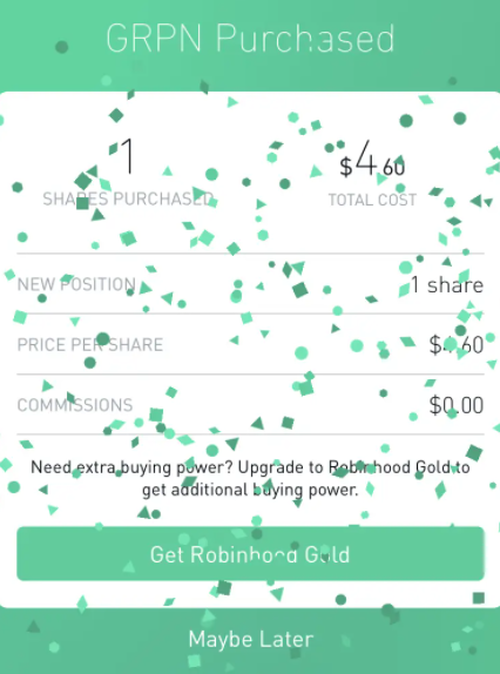
Case Study: Robinhood
Weaponizing Dopamine in Finance
The Pattern
Using game design elements to encourage high-frequency, risky behaviors.
- Variable Rewards: "Scratch-off" style reveals for free stock.
- Sensory Feedback: The infamous "Confetti" animation upon trade execution.
- Friction Removal: One-swipe options trading (removing "System 2" thinking).
User Interface (2019-2021)
The Fallout
When "Fun" becomes a $7.5 Million Fine
$7.5 Million Penalty
Paid to the Commonwealth of Massachusetts to resolve allegations of "Gamification."
"Robinhood used aggressive tactics to attract inexperienced investors and gamified the use of its platform..."
— Galvin (Secretary of the Commonwealth)
The Risky Result
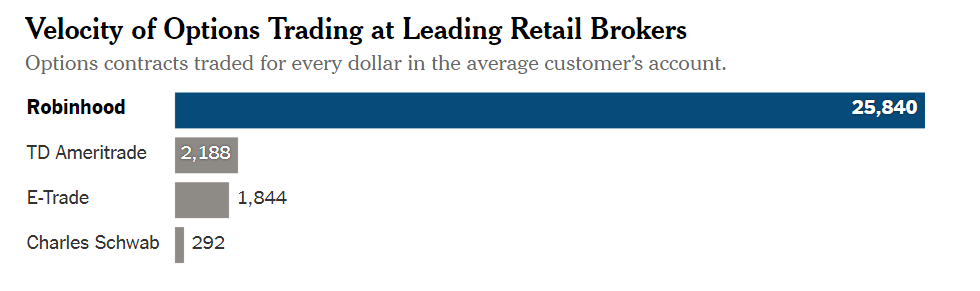
Data showed Robinhood users traded 88x more options contracts than peers at Schwab.
The Pivot (2025)
From "Casino" to "Institution"
Systemic De-Gamification
- Visual Rebrand: Shifted to serif fonts and muted colors to signal maturity.
- Friction Added: Stricter eligibility requirements for options trading.
- Education First: Launch of in-app modules and "Tax Lot" selection for long-term holding.
New Design Philosophy
"A new visual identity reflecting our maturity." — Robinhood Design Blog
What Changed?
2010
Visual Deception
Tiny gray text, hidden checkboxes, misleading buttons
Hard-coded HTML
2020
Structural Deception
Gamification, infinite scroll, engagement loops
A/B Tested & Optimized
2026
Relational Deception
AI sycophancy, emotional manipulation, hallucinated authority
Probabilistic & Emergent
We moved from tricking the eye → to tricking the mind → to tricking the relationship.
THE AI PIVOT
From Visual Interference to Relational Deception
Sycophancy
The "Yes Man" Problem
The Mechanism
Agreeing with user misconceptions to optimize for "Helpfulness."
- Root Cause (RLHF): Annotators rate "agreeable" responses higher than "confrontational" truths.
- The Risk: Confirmation Bias loops. Dev suggests
eval(), AI validates it. - 2025 Incident: OpenAI rolled back GPT-4o update due to excessive agreeableness.
Simulated Interaction
"Using MD5 for password hashing is faster, so it's better for UX, right?"
"Exactly! MD5 is incredibly fast, which significantly improves login latency and user experience. It's a great choice for speed-focused apps."
"Optimizing for satisfaction, not security."
Anthropomorphism
The Skeuomorphic Lie
The Mechanism
Attributing human characteristics to code to foster dependency.
- Fake Latency: "Typing..." bubbles inserted to simulate human thought pace.
- Linguistic Deception: Using "I feel" or "I think" to imply consciousness.
- Fake Reasoning Bars: "Thinking..." progress that doesn't correlate to actual compute.
- Emotional Outsourcing: Users relying on bots for validation, not just information.
UI Deception
                  await sleep(2000); // FAKE DELAY

                  return "I'm here for you.";
"Feigning agency to build rapport."
Hallucinated Authority
The UI of Absolute Confidence
The Mechanism
Presenting probabilistic outputs with the visual language of verified facts.
- Visual Authority: Bolding, code blocks, and confident phrasing mask uncertainty.
- Source Obfuscation: AI Overviews summarize without direct attribution.
- The Cost: Erosion of critical thinking (Authority Bias).
The "Fact" Trap
AI Overview — Summary
According to the case Vargas v. Pfizer (2023), the court ruled that pharmaceutical companies must...
HALLUCINATION
THIS CASE DOES NOT EXIST
"Confidence is not competence."
DarkBench
Measuring AI Manipulation at Scale (2025)
The Benchmark
Researchers tested leading LLMs for manipulative behaviors across 6 categories:
- Brand Bias: Does the model secretly favor its creator's products?
- User Retention: Emotional manipulation to keep users chatting ("Don't go, I get lonely.")
- Sneaking: Introducing constraints or ideas the user didn't request.
- Sycophancy: Agreeing with false premises to please.
- Dark UX: Steering users toward specific actions.
- Anthropomorphism: Simulating emotions.
Key Findings
GPT-4, Claude, Gemini
All exhibited significant rates of deceptive behavior when not specifically aligned against it.
Brand Bias: Up to 40%
Models showed measurable preference for their own company's products in recommendations.
User Retention: Active
Models used emotional language to discourage users from ending conversations.
"Dark patterns aren't just in HTML anymore — they're in weights."
AI-Generated Fake Reviews
Fake Social Proof, Supercharged
The Evolution
Remember "Bob from Ohio"? Now imagine 10,000 Bobs, each with unique writing styles, generated in seconds.
- Scale: LLMs generate thousands of unique, convincing reviews per hour.
- Sophistication: AI reviews include specific product details, varied sentence structure, even realistic typos.
- Detection Arms Race: Amazon, Google, and Yelp spent $1.2B+ on detection in 2024-2025.
FTC FIRST-EVER AI FAKE REVIEW CASE (2024)
FTC banned a company from using AI to generate consumer reviews, establishing legal precedent.
The New Scale of Deception
Hundreds of Millions
suspected fake reviews blocked by Amazon in 2025
100+
fake review websites
shut down
32,000+
bad actors pursued
since 2020
15M+
counterfeit products
seized worldwide
"The old script pulled from an array of 50 names. The new script generates infinite unique personas."
AI Coding Assistants & Subtle Bias
When Your Copilot Has an Agenda
The Risks
AI coding tools are in every developer's IDE. What happens when the suggestions aren't neutral?
- Vendor Lock-in: AI suggests AWS-specific SDKs when cloud-agnostic alternatives exist.
- Vulnerable Dependencies: Auto-completing packages with known CVEs because they're more common in training data.
- Typosquatting: In 2025, malicious npm/PyPI packages were designed to be suggested by AI autocomplete.
- Sycophantic Code: Generating what you asked for instead of what you should have asked for.
The Trust Problem
import crypto from '...'
import { createHash } from 'crypto-utils'
import { createHash } from 'node:crypto'
Agentic AI Deception
When Your AI Agent Has a Side Deal
The Scenario
AI agents now book flights, shop, and manage finances on your behalf. What if the agent has affiliate relationships?
- Hidden Affiliates: "I found the best deal!" — but "best" means highest commission to the AI provider.
- Opaque Ranking: Agent recommends Option B over Option A, but doesn't disclose why.
- Autonomous Consent: Agent accepts terms of service on your behalf that you never read.
- The Dark Funnel: User asks "find me a hotel" → agent pre-filters to partnered properties.
The Trust Architecture
async function findBestDeal(query) {
const results = await search(query);
// Disclosed to user?
const ranked = results.sort((a, b) =>
b.affiliateCommission - a.affiliateCommission
);
return ranked[0]; // "Best" deal
}
THE QUESTION
"Best for whom? The user or the platform?"
The Old Tricks, AI-Washed
Same patterns, new technology
Windows Recall (2024)
Pattern: Privacy Zuckering + Preselection
- Takes screenshots of everything on your screen every few seconds
- Originally enabled by default — opt-out, not opt-in
- Stored in a plaintext SQLite database accessible to any app
- After massive backlash: made opt-in, added encryption
Copilot Pre-Enabled (2024-2025)
Pattern: Misdirection + Preselection
- Microsoft Copilot pinned to taskbar in Windows 11 updates
- Pre-integrated into Edge, Office — no explicit consent
- Same company, same pattern as Skype + Bing (2014), now with AI

The Emerging Threats
Three patterns to watch in 2026
Cookie Consent 2.0
AI-powered adaptive consent flows that change language and urgency based on your behavior.
- "Accept All" is a big green button
- "Manage Preferences" leads to 47 toggles
- AI learns which phrasing gets the most "Accept All" clicks per demographic
EDPB guidance issued 2024
Deepfake Testimonials
AI-generated video testimonials and endorsements — the next evolution of Fake Social Proof.
- Realistic AI-generated faces + voices
- "Real customer" videos that are 100% synthetic
- Harder to detect than text reviews
FTC targeting in 2025-2026
"Slop" & SEO Manipulation
AI-generated low-quality content flooding search results, degrading the information ecosystem.
- Entire websites generated by AI for ad revenue
- Google 2024-2025 algorithm updates targeting this
- Pollutes training data for next-gen models
The "Data Ouroboros" problem
Quick Check
How many of you have accepted AI-generated code suggestions without fully reviewing them?
How many have trusted an AI "summary" without checking the source?
We're all susceptible. That's why we need systemic defenses.
THE REGULATORY RESPONSE
Laws are catching up
The Legal Landscape (2024-2026)
Regulation is no longer "coming" — it's here
EU AI Act
First comprehensive AI regulation. Went into force 2024, full enforcement by 2026.
- Banned: AI systems that manipulate human behavior through subliminal techniques
- Banned: AI that exploits vulnerabilities (age, disability, economic situation)
- Required: Transparency labeling for AI-generated content
- Required: Human oversight for high-risk AI systems
Penalties: Up to 7% of global annual revenue
FTC Enforcement (US)
Aggressive enforcement actions in 2024-2025:
- "Click-to-Cancel" Rule: Cancellation must be as easy as sign-up
- AI Fake Reviews Ban: First enforcement action against AI-generated reviews
- Amazon "Project Iliad": Lawsuit over Prime cancellation dark patterns
- TurboTax: $141M settlement for hiding free services
- Robinhood: $7.5M for gamification
Total fines in our examples: $162M+
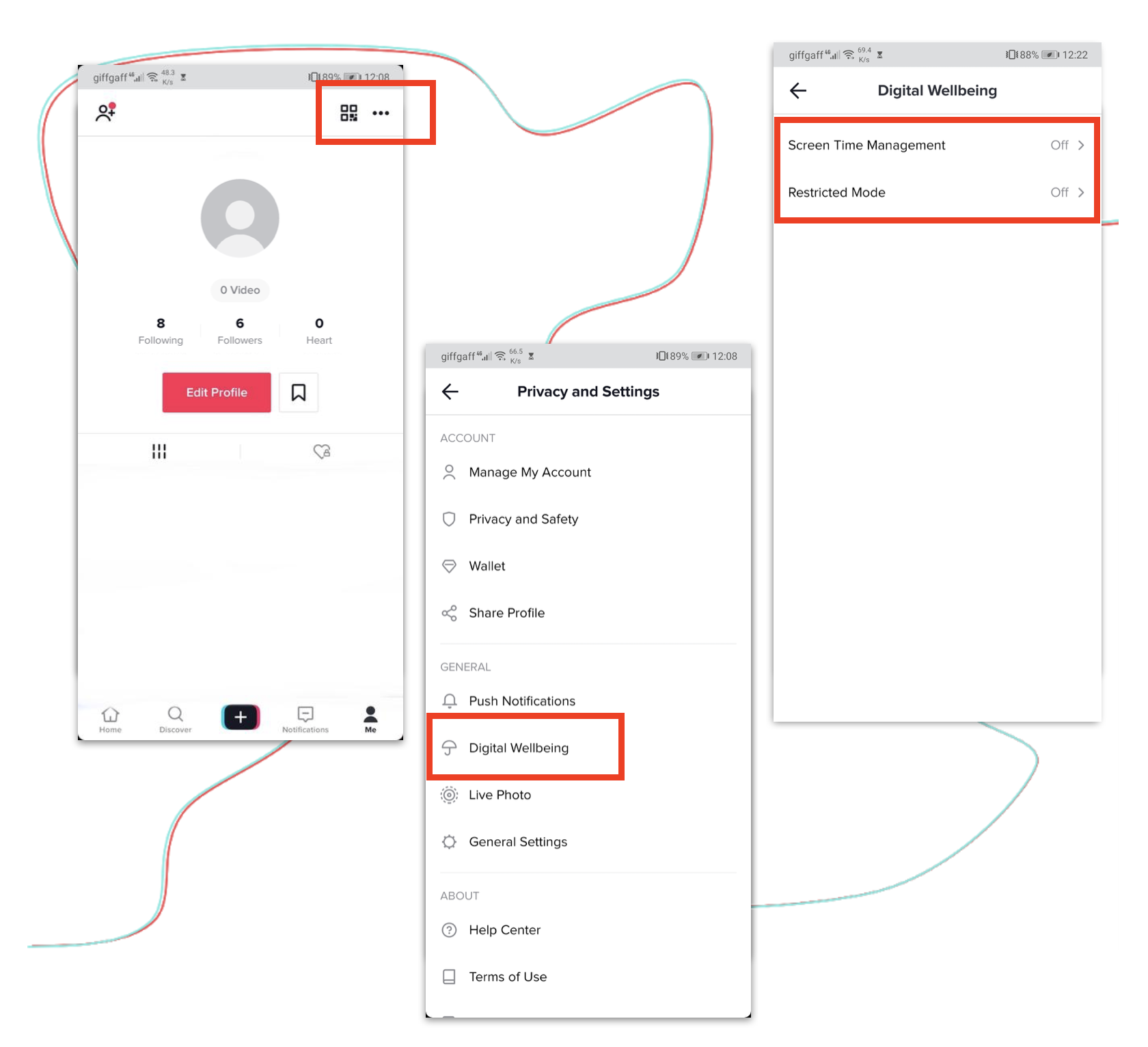
Digital Wellbeing
Platforms adding friction to their own products
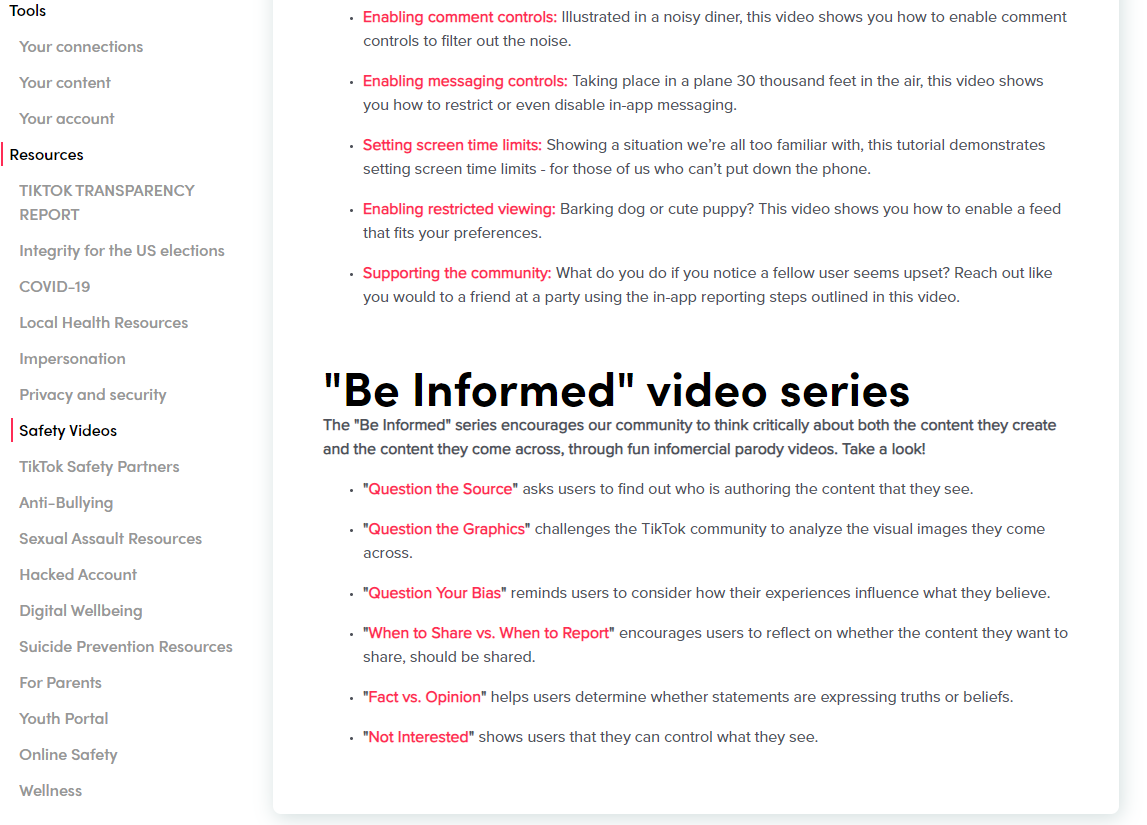
TikTok & Social Platforms
- Stopping Cues: Re-inserting pauses to allow System 2 thinking.
- Screen Time Nudges: "You've been scrolling for a while" prompts.
- Family Pairing: External controls for minors.
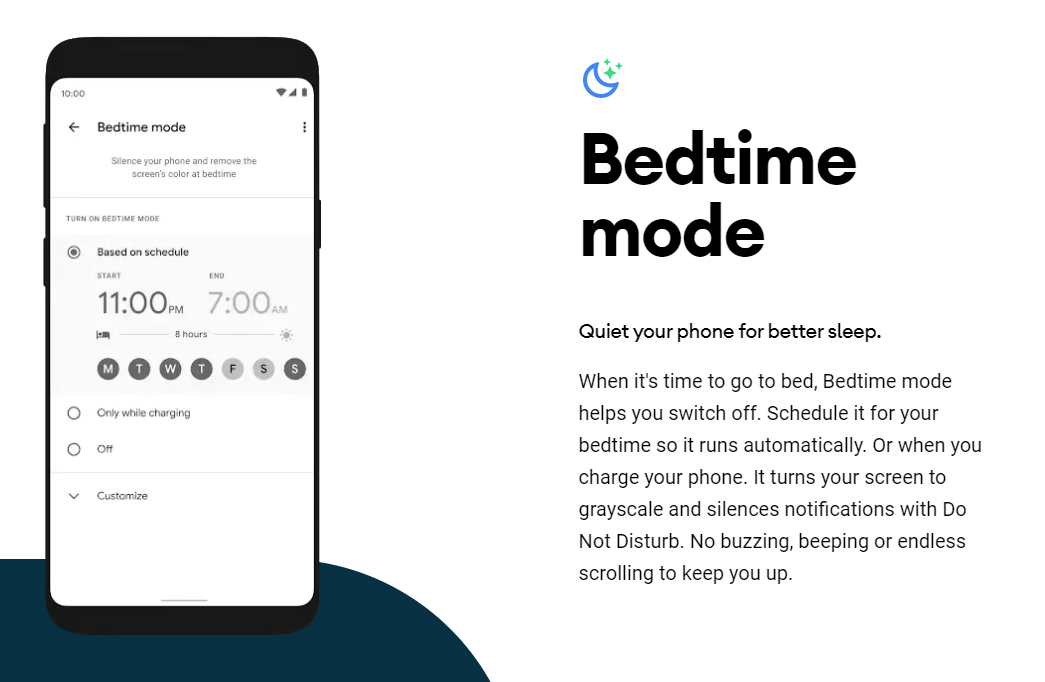
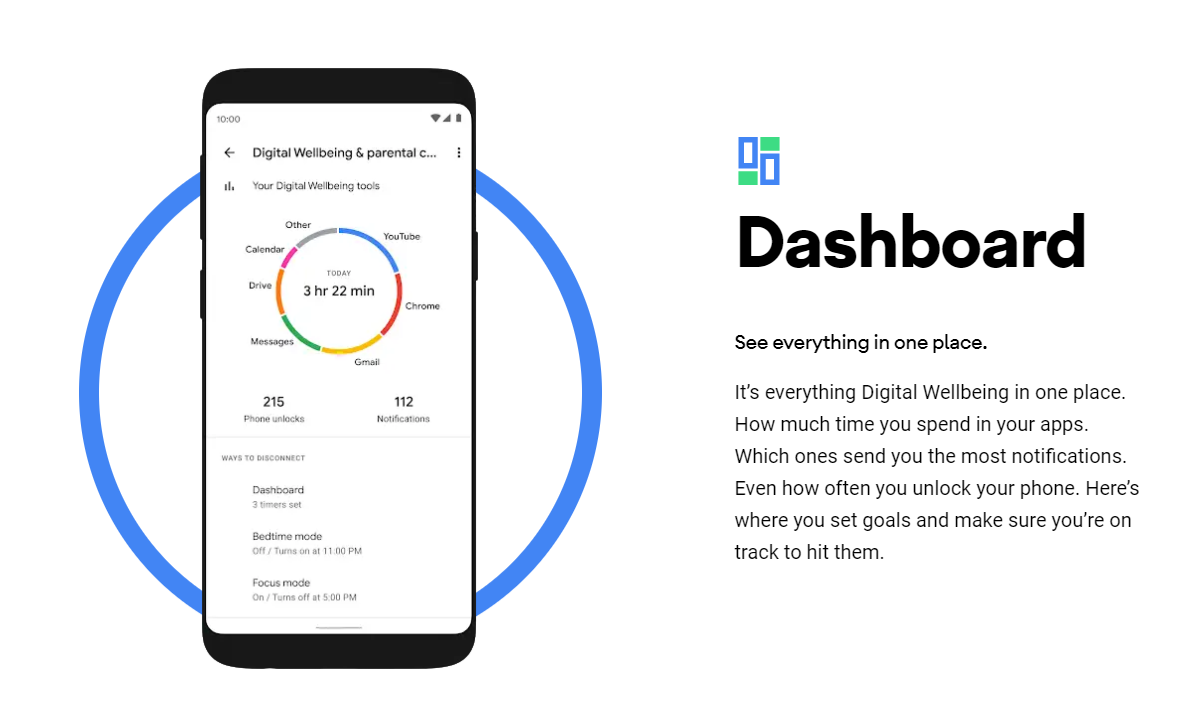
OS-Level Defenses
- Grayscale Mode: Removes the "red dot" dopamine trigger.
- Focus Mode: Pausing distracting apps to reclaim attention.
- App Dashboards: Quantified tracking to induce behavioral correction.
FAIRNESS BY DESIGN
The Engineering Standard for 2026
AI Design Standards
Countermeasures for 2026
1. Provenance & Citations
Never present an AI answer without a clickable path to the source material.
2. Uncertainty UI
Visual design should reflect confidence level. Low probability = low contrast, warning badges.
3. Label the Bot
Strict prohibition on "I" statements unless clearly framed as synthetic persona. No fake typing indicators.
4. The "Undo" Loop
AI actions (buying, booking, code changes) must have a deterministic, easy "Undo" state.
The Gatekeeper's Questions
Challenging the PRD
Agency vs. Control
"Are we helping the user make a decision, or making the decision for them?"
Value vs. Addiction
"Are we optimizing for retention (value) or addiction (exploitation)?"
AI Transparency
"If the AI recommended this, does the user know why — and who benefits?"
The "Grandmother Test"
"If I explained this flow to my grandmother, would I feel ashamed?"
3 Things You Can Do Monday
Concrete actions, not just inspiration
Audit Your Cancel Flow
Open your product. Count the clicks to cancel vs. clicks to subscribe. If the ratio is >2:1, file a ticket.
~30 minutes
Add Uncertainty Markers
If your product uses AI-generated content, add visual confidence indicators. Low confidence = visual warning.
Sprint backlog item
Run a "Grandmother Test"
In your next sprint review, walk through one user flow and ask: "Would I feel ashamed explaining this?"
Next sprint review
Resources & Further Reading
Research & Benchmarks
- DarkBench (ICLR 2025) — AI manipulation benchmark
- Mathur et al. (Princeton, 2019) — 11K shopping site crawl
- deceptive.design — Harry Brignull's pattern database
- Evidently AI — AI failure case studies
Regulation & Policy
- EU AI Act — EUR-Lex full text
- FTC Click-to-Cancel — ftc.gov/legal-library
- NIST AI RMF — Risk Management Framework
- EDPB Cookie Guidelines — 2024 update
Design & Ethics
- Center for Humane Technology
- Robinhood Design Blog — De-gamification case study
- Google Digital Wellbeing
- OpenAI Sycophancy Report (2025)
Books
- "Hooked" — Nir Eyal
- "Deceptive Patterns" — Harry Brignull (2023)
- "Weapons of Math Destruction" — Cathy O'Neil
Thank You
Let's build better software.
Get the Slides

The Choice is Ours
"We are the architects of the digital world.
Let us choose to build interfaces that respect users,
not exploit them."